
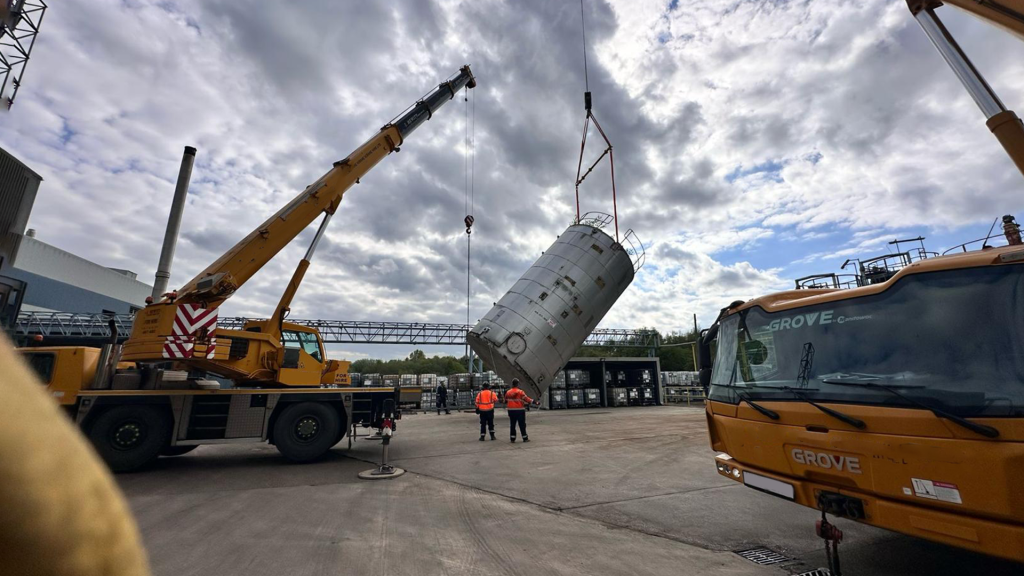
Cranes are used across many industries, including construction, energy, logistics and marine. Each project needs a different type of crane, depending on the load, the site and the lift itself.
Few businesses could justify buying a crane for every job, especially when large modern cranes cost several million pounds. That’s why most companies hire their lifting equipment rather than own it.
In this article, we explain the difference between CPA crane hire and CPA contract lifting, so you can decide which service suits your project.
What Does CPA Stand For?
CPA stands for the Construction Plant-hire Association, the leading trade body for the plant hire industry in the UK. Reputable lifting firms, including Buzzard, work to the CPA’s model conditions.
The CPA conditions set out who is responsible for what, covering safety, hire terms and legal obligations for both crane hire and contract lifting.
What Is CPA Crane Hire?
With CPA crane hire, the hire firm supplies a fully tested and certificated crane, together with a trained operator. The crane and operator then work under your direction.
The key point is that you, the hirer, are responsible for planning and managing the lifting operation. That means you need the in-house competence to plan the lift and supervise it safely.
Hire costs depend on the type and size of crane, how long you need it, and when the work takes place. Night shifts, weekends and bank holidays usually cost more, so it is worth factoring this into your project plan early.
What Is CPA Contract Lifting?
With CPA contract lifting, the lifting firm takes responsibility for the whole operation. As well as supplying the crane and operator, we plan, manage and carry out the lift for you.
This suits clients who don’t have lifting specialists on their team, or who would rather hand the planning, risk and legal responsibility to an experienced contractor.
Contract lifting costs more than crane hire because you are paying for the full planning and management service as well as the equipment. Costs depend on the scale and complexity of the project, how long the crane is on site and the hours of operation.
Crane Hire vs Contract Lifting: Who Is Responsible?
The main difference between the two services is which party carries legal responsibility for the lift.
Under CPA crane hire, the hirer is responsible for the lifting operation. That includes:
- Appointing a competent person to plan and oversee the lift
- Providing a competent crane supervisor and slinger/signaller
- Operating a safe system of work
- Planning the lift thoroughly, including ground conditions and access
- Producing the method statements and risk assessments
- Making sure the crane chosen is suitable for the job
Under standard CPA hire terms, the hirer is also responsible for insuring the crane and the lifting operation while the crane is on hire.
Under CPA contract lifting, the lifting contractor takes on all of the above. We also make sure the crane supplied is maintained, tested and certificated. You should still hold your own public liability insurance.
Which Service Is Right for You?
It comes down to whether you have the competence in-house to plan and manage the lift yourself.
If you have an experienced appointed person and lifting team, crane hire is usually the more cost-effective option.
If you don’t, or if the lift is complex, high-value or high-risk, contract lifting is the better choice. Responsibility for planning and managing the lift moves to the lifting contractor, so you can focus on the rest of your project.
Crane Hire and Contract Lifting from Buzzard
Buzzard provides crane hire, contract lifting and specialist haulage within a single integrated operation. We work closely with every client to plan safe, practical lifting strategies and deliver them efficiently, from first planning through to the final lift.