
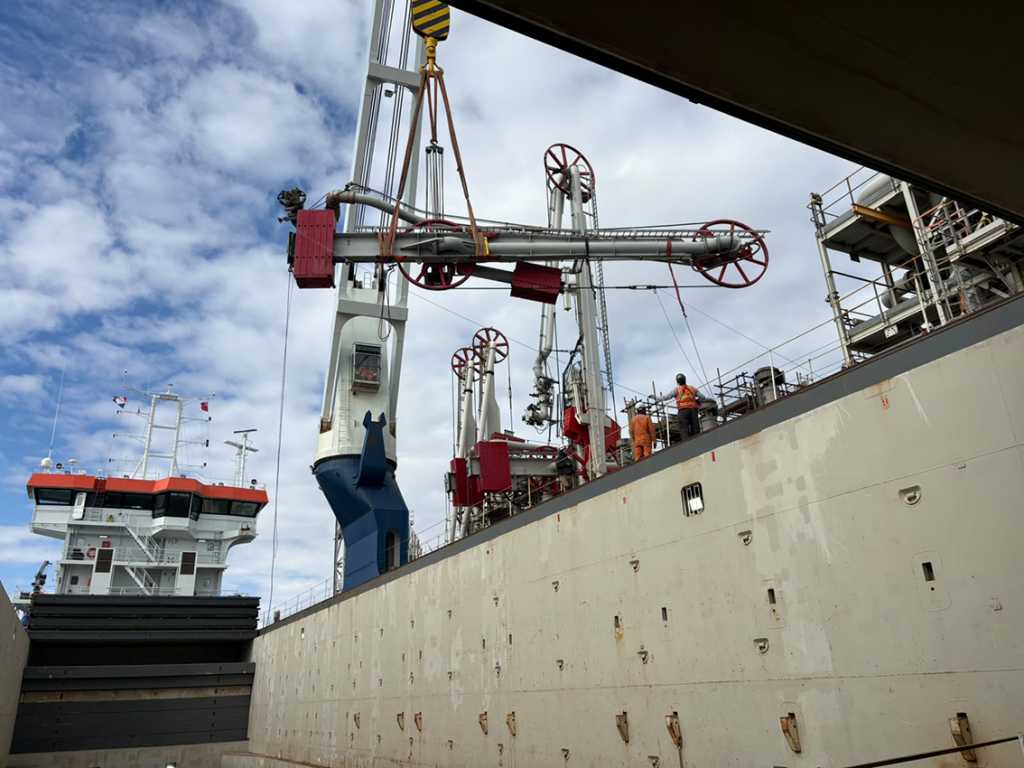
Ask anyone who has worked a turnaround and they’ll tell you the lift is rarely the hard part. The hard part is everything around it; the unit running a few metres away, the permit that still hasn’t been signed, and the catalyst window that opens at 6am on Tuesday whether you’re ready or not.
That’s what makes chemical plant crane hire different from most other lifting work. Here’s what to expect, the lifts that come up most often, and how to plan so the crane fits your schedule.
What Makes Process Plant Lifting Different
The plant is usually still running
Full shutdowns are the exception. On most chemical and process sites, the lift happens while the units around it carry on as normal. SIMOPS rules decide what can and can’t happen next to a live unit, and the lift plan has to be written with those rules in mind from day one. Trying to fit them in afterwards rarely works.
Turnaround windows are fixed
A reactor or catalyst change is often planned months ahead and measured in hours. If the crane turns up late, or turns up too small, the cost of the delay can dwarf the cost of the hire. That’s why lifting capacity needs to be part of the turnaround plan from the start.
Permits come before everything
On a live process site, nothing moves until the permit is signed. Your lifting crew needs to be comfortable working under permit-to-work and isolation procedures, and ideally already familiar with the paperwork format your HSE team uses. Reformatting RAMS halfway through a turnaround is time nobody has.
Some sites need spark control
Gas terminals and certain process sites require spark arrestors and automatic engine shutdown systems on any plant entering the fence line. Find this out at enquiry stage. Finding out at the gatehouse is too late.
Space is always tight
Pipework, steelwork and other trades all compete for room on a process plot. Slew radius, outrigger positions and ground bearing capacity should be checked against the drawings well before the crane is booked.
The Lifts We See Most Often
Across the UK’s chemical and process sector, the same jobs come round again and again:
- Planned turnarounds, where crane and rigging capacity is locked in months before the window opens
- Reactor and catalyst changes, often with only hours to lift out, swap and reinstall
- Column internals, where trays and packing come out and go back in without damaging anything around them
- Heat exchanger replacements, which need a lift plan built around the bundle itself
- Pipe rack sections, lifted into live plant with other trades working close by
- Utilities tie-ins for steam, nitrogen and process lines, timed around a shutdown that won’t move
Planning a Lift on a Chemical or Process Site
Get your lifting contractor involved early
For a turnaround, early means months rather than weeks. It gives your contractor time to secure the right crane, haulage and people for the exact window, and gives you more options if anything changes.
Send over the drawings
A plot layout tells your contractor far more than a phone call. With it, they can check slew radius, outrigger positions and access routes before booking anything, and come back with a proper lift plan as well as a price.
Be clear about site rules up front
Tell your contractor which permits apply, whether spark control is needed, and how your HSE team likes its RAMS and lift plans laid out. Small details at enquiry stage save big problems on the day.
Don’t assume the ground will cope
Congested process plots rarely behave like open ground. Crane mats and outrigger pads are often needed to spread the load, and they need planning in advance, not borrowing on the morning.
Think about contract lifting for critical work
For reactor changes and other lifts where there’s no second chance, contract lifting is often the better option. Responsibility for planning the lift, providing Appointed Person cover and managing the operation sits with the lifting contractor rather than with you. Our guide to crane hire and contract lifting explains the difference in more detail.
Compliance
Every lifting operation in the UK falls under LOLER 1998. On a process site, that’s only the starting point. Your lifting contractor also has to work within the site’s permit-to-work and isolation procedures, follow instructions from whoever controls the plot that day, and supply RAMS and lift plans your HSE team can sign off without sending them back.
Why One Team Makes the Difference
On a turnaround, the crane, the haulage and the lifting crew all have to arrive on time and work to the same plan. When they’re booked through three different firms, that’s three sets of phone calls and three chances for something to slip.
At Buzzard, we handle crane hire, contract lifting, HIAB hire and specialist haulage ourselves, including abnormal loads for vessels, columns and skids. Our crews work under permit as standard, and we can supply Appointed Persons, lift supervisors, riggers and slinger/signallers who know their way around a live process plant.
See more about our chemical and process work: https://buzzardgroup.co.uk/sectors/chemical-process/
Frequently Asked Questions
Can a crane work inside a live process plant?
Yes, and most of the time it does. The lift is planned around SIMOPS rules and whatever permits are in force on the day.
How far ahead should we plan a turnaround lift?
The earlier the better, ideally several months. The window won’t move, so crane capacity, haulage and personnel need to be secured well before it opens.
What if our site needs spark arrestors or engine shutdown systems?
Tell us when you first get in touch. We’ll confirm which equipment is suitably fitted before anything is booked.
Should we choose contract lifting or crane hire?
For critical lifts like reactor changes, contract lifting is usually the safer route, because the contractor takes responsibility for planning and managing the whole operation.
Do you work on process sites outside the North East?
Yes. We’re based in Teesside and work on chemical and process sites across the UK.
Talk to Us Before the Window Opens
Got a turnaround or reactor change coming up? Talk to us early. One call gets you the crane, the lift plan and the haulage, all handled by one team. Call 01642 989812.